

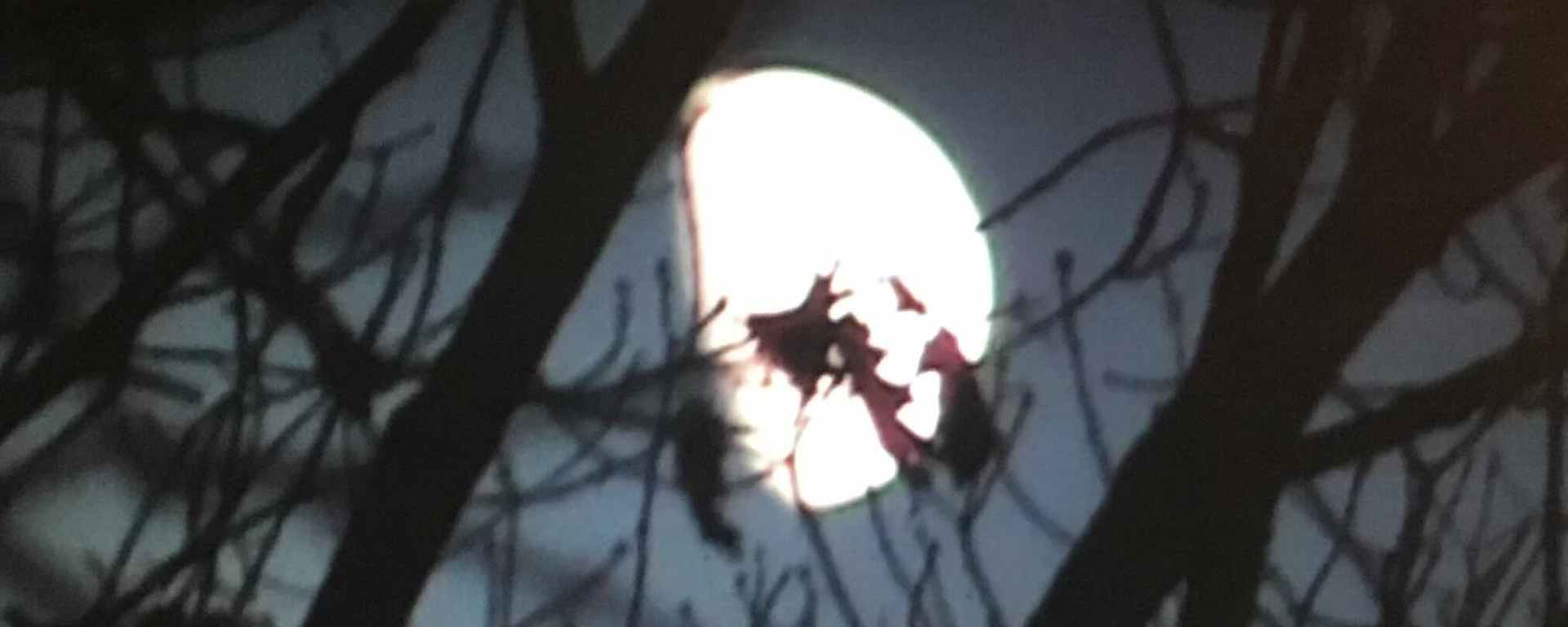
In an era where found footage horror is becoming increasingly polished and studio-driven, Robbie Banfitch‘s feature Tinsman Road is reminding us what made the subgenre so effective in the first place.
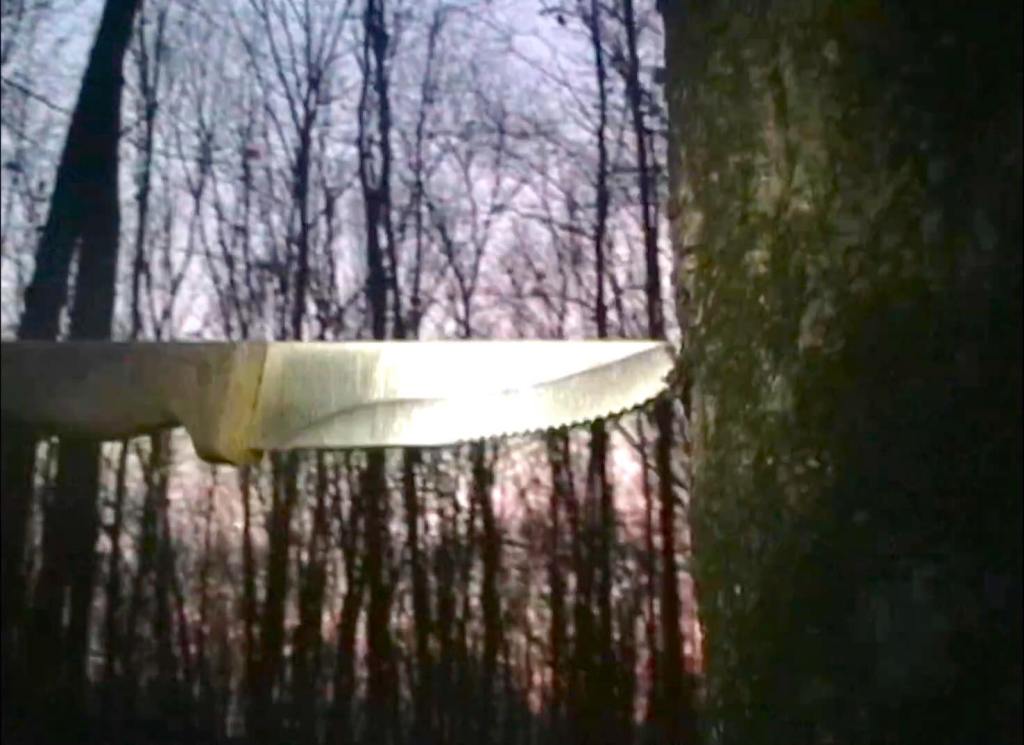
Tinsman Road had its world premiere on the 28th of March at the Unnamed Footage Fest, an exclusive found footage horror festival in San Francisco. Curious to see how the journey of this film unfolds through festivals and distribution, whether in theaters or on a streaming platform.
Shot entirely on Mini-DV in a grainy 4:3 aspect ratio – that immediately evokes the handmade aesthetic of early 2000s digital video – Banfitch’s latest work strips away the artifice that has accumulated around mockumentary horror, returning the form to its raw, unsettling roots. Following his 2022 experimental breakthrough The Outwaters, which garnered cult attention for its disorienting Lovecraftian sequences and temporal fragmentation, Banfitch has crafted something more restrained but no less effective. Where The Outwaters delved in its cosmic horror abstractions, Tinsman Road finds its terror in something more immediate and recognizable: the crushing weight of familial loss.
The visceral power of grief
The film follows Banfitch himself who returns to the New Jersey backwoods to investigate the disappearance of his sister and their connection to their former family home. This narrative simplicity allows Banfitch to focus on atmosphere, with a slow burn structure. The New Jersey woodlands become a character unto themselves—damp, overgrown, and eerily indifferent to human suffering. The environment feels lived-in and authentic, with Banfitch’s camera capturing the particular quality of East Coast wilderness that rarely appears in more commercially-oriented horror productions. What’s most striking about Tinsman Road is Banfitch’s patience. Where lesser directors might rush toward jump scares or explicit supernatural elements, Banfitch allows the mystery to unfold at an almost meditative pace. The horror emerges from what remains hidden in the grain of the video, in the negative spaces between trees, in the silence that follows unanswered questions. This approach challenges viewers accustomed to more immediate gratification, but rewards those willing to be carried away.
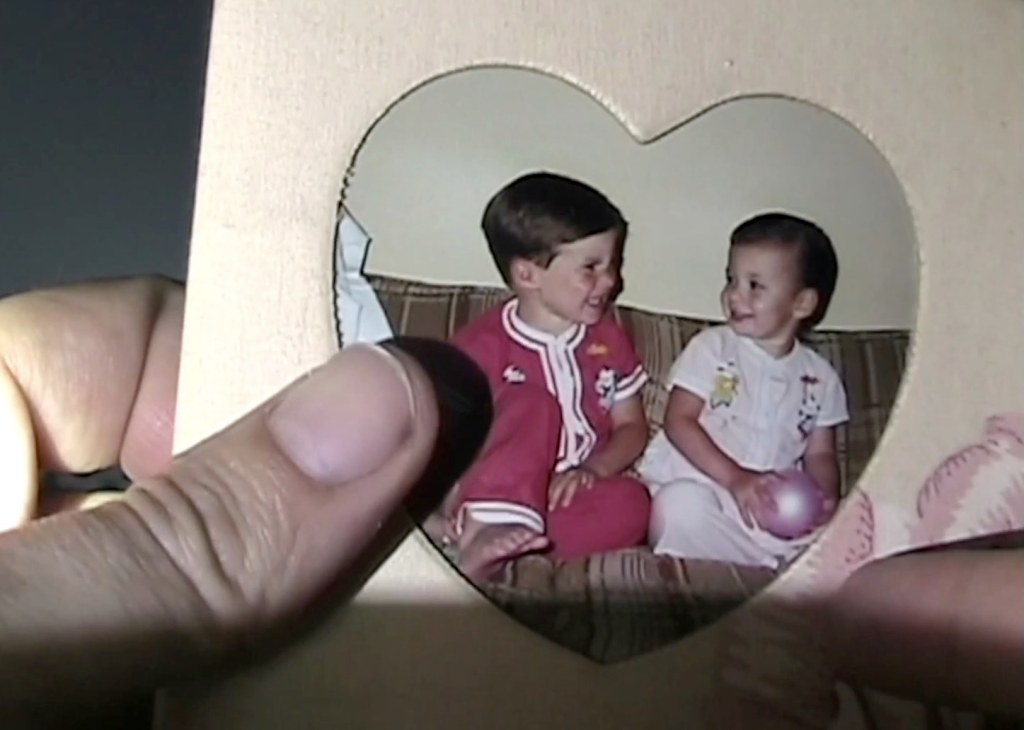
Banfitch’s triple role as director, cinematographer, and lead actor recalls the true independent spirit of early regional horror films. There’s something admirable about his commitment to a singular vision, particularly one that runs counter to commercial expectations. By handling nearly every aspect of production himself, he achieves a consistency of tone that larger productions often lack. The aesthetic never feels like a limitation but rather an intentional choice that enhances the film’s unsettling intimacy. The rawness of the presentation, the occasionally blown-out whites of the Mini-DV format, the imperfect audio, the natural lighting, all contribute to a sense of authenticity that no amount of production value can replicate. But beyond its formal qualities, what elevates this film is its thematic resonance. Beneath the surface-level mystery lies a profound meditation on grief and familial obligation. Banfitch treats death not as a shock tactic but as an inevitable presence that shapes and distorts the landscapes we inhabit. The 4:3 frame becomes increasingly claustrophobic as the protagonist delves deeper into both physical and emotional territory, creating a visual metaphor for the constrictive nature of unresolved loss.
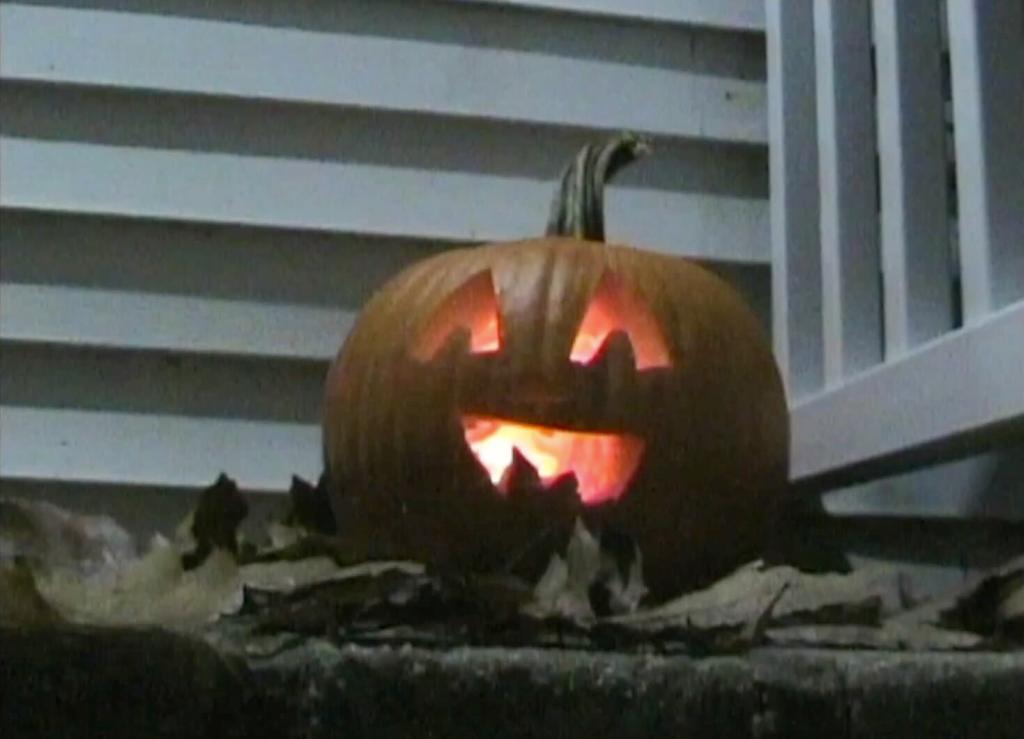
Salem Belladonna‘s haunting vocal work provides an ethereal presence for the missing sister, creating emotional resonance and crafting a sensory experience where every element serves both story and emotional impact. As deeply emotional is the performance of Robbie’s mom Leslie Ann Banfitch, who is very absorbed in the role of the mother afflicted by the disappearance of her daughter
Tinsman Road stands as both a worthy successor to The Outwaters and a distinctive work in its own. And confirms Robbie Banfitch as a singular voice in contemporary independent horror, creating cinema that feels both timeless and urgently necessary.


 Cinema non risolto