

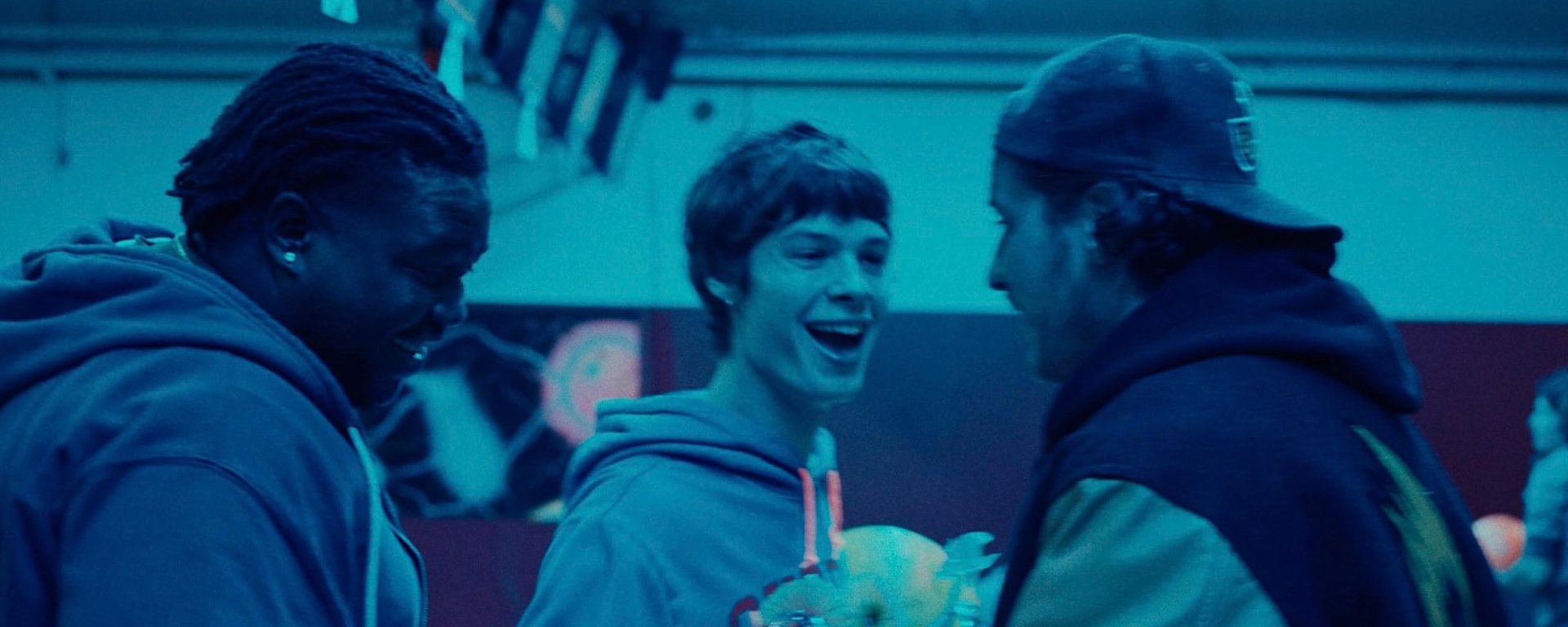
With Meteors, French filmmaker Hubert Charuel returns to the Cannes Film Festival following the critical success of his debut Petit Paysan. His second feature, which premiered in the Un Certain Regard section, is a quiet, moody ensemble drama that explores male friendship, mental fragility, and the latent fear of collapse (whether personal, social, or planetary). The ingredients are all there for something striking: an evocative setting, timely themes, and a promising cast. The result is quite interesting but it struggles to assert its own voice.
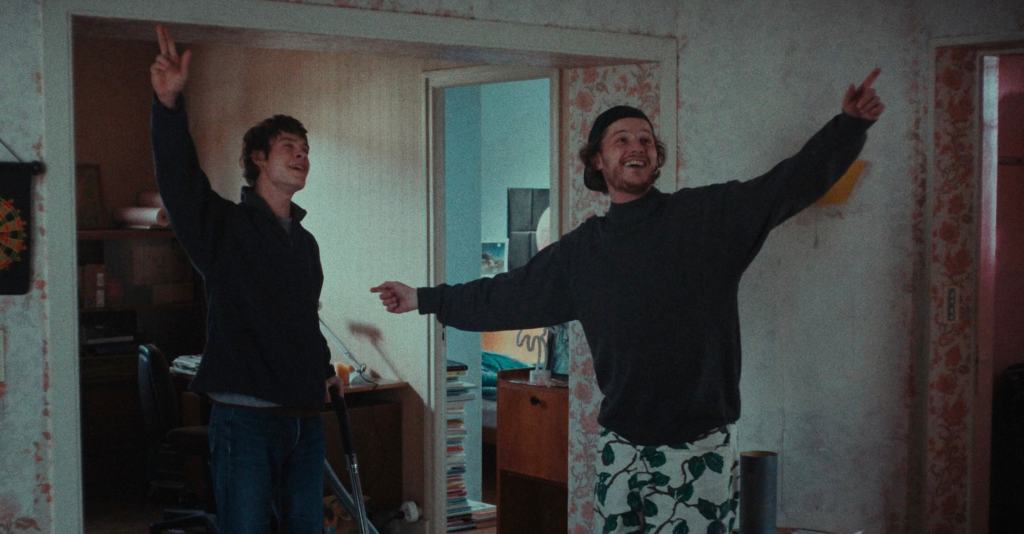
Set in the french rural wastelands, Meteors weaves together intersecting narratives centered around three childhood friends: Mikaël, Daniel, and Tony. They reunite as adults under grim circumstances. Mikaël and Daniel, both scraping by in dead-end existences, are hired by Tony, now a construction boss, to work on a nuclear waste site. Simultaneously, a mentally unstable man named Julien becomes obsessed with the idea that a meteorite (expected to fall in Honduras) will actually strike Saint-Dizier, their hometown in France. The idea of impending doom, literal and metaphorical, casts a long shadow over the film.
There’s no denying the appeal of stories about disillusioned youth in economically stagnant environments. Films that portray working-class or marginalized young people drifting between jobs, seeking meaning or simply survival, have always resonated (especially when they reflect broader societal malaise). Meteors taps directly into this sensibility: these characters are lost, overlooked, and quietly desperate. The decay of the nuclear site mirrors the erosion of their ambitions. And it’s true: these kinds of stories tend to work, because they feel real, immediate, and rooted in the now.
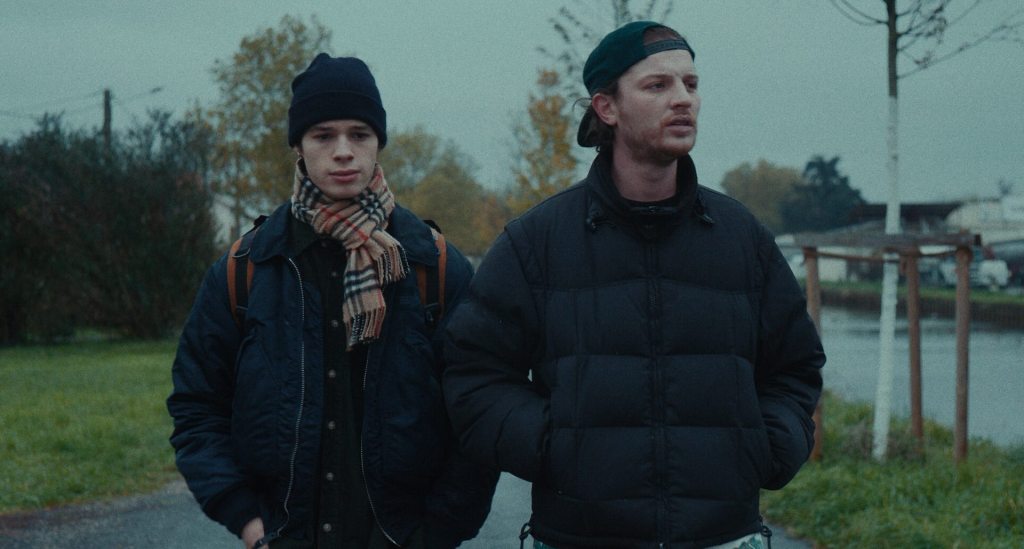
But Meteors, for all its thematic relevance, doesn’t fully ignite. It never quite decides what kind of film it wants to be: a slow-burn character study, a social critique, a meditation on friendship? And in the end it hovers somewhere between all three. The pacing is languid to the point of stalling in places, and while Charuel clearly aims for emotional restraint, the result is a bit lacking of that intensity. The film doesn’t go deep enough to be devastating, nor sharp enough to feel urgent. There are moments that work with their vulnerability and flickers of poetic dread, and it’s a pity that these moments fall sort of reaching the necessary cohesion to make it a more memorable film.
One of the film’s strongest elements, however, is its lead actor Paul Kircher, who plays Mikaël. Kircher has one of those faces that seems made for this kind of cinema: sharp, beautiful, sensitive and enigmatic. He doesn’t need to say much; his presence carries the weight of inner conflict and buried sadness. He’s the brother of Samuel Kircher, who impressed audiences with his breakout role in L’été dernier at Venice last year. And they are the sons of actors Irène Jacob and Jérôme Kircher. There’s something intriguing about Paul Kircher, a kind of lived-in stillness, that makes him perfect for contemporary European films about existential drift. He brings subtlety and fragility to the screen, and his performance here is a major reason the film holds any emotional ground.
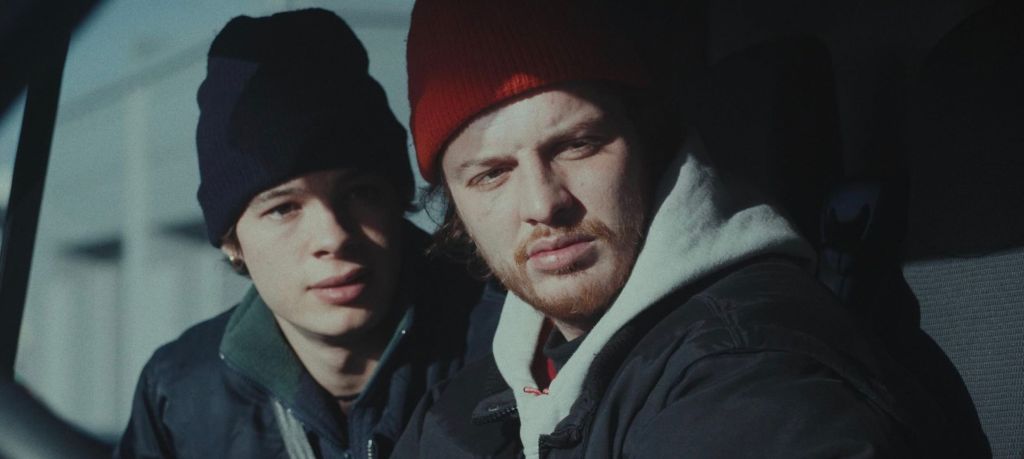
In conclusion, Meteors is a film with more potential than payoff. It’s not a failure by any means, but it’s also not a fully realized work. There’s a valuable attempt here to capture a particular generational mood (with a blend of hopelessness, numbness, and obscure longing) but Charuel’s direction doesn’t push hard enough to make those feelings reach higher peaks. The film drifts, much like its characters, and leaves the viewer more contemplative than shaken. Still, it’s a film worth seeing. Not because it’s particularly powerful, but because of the way it offers a snapshot of a certain socioeconomic and psychological reality. It captures the quiet despair of young people without direction, the weight of invisible pressure, and the slow erosion of any belief in a better future. It may not resonate loudly, but it lingers in a quiet, uncomfortable way. And sometimes that’s enough.

 Cinema non risolto